
TEMPLATE
RECOMMENDED TOOLS




VISITORS

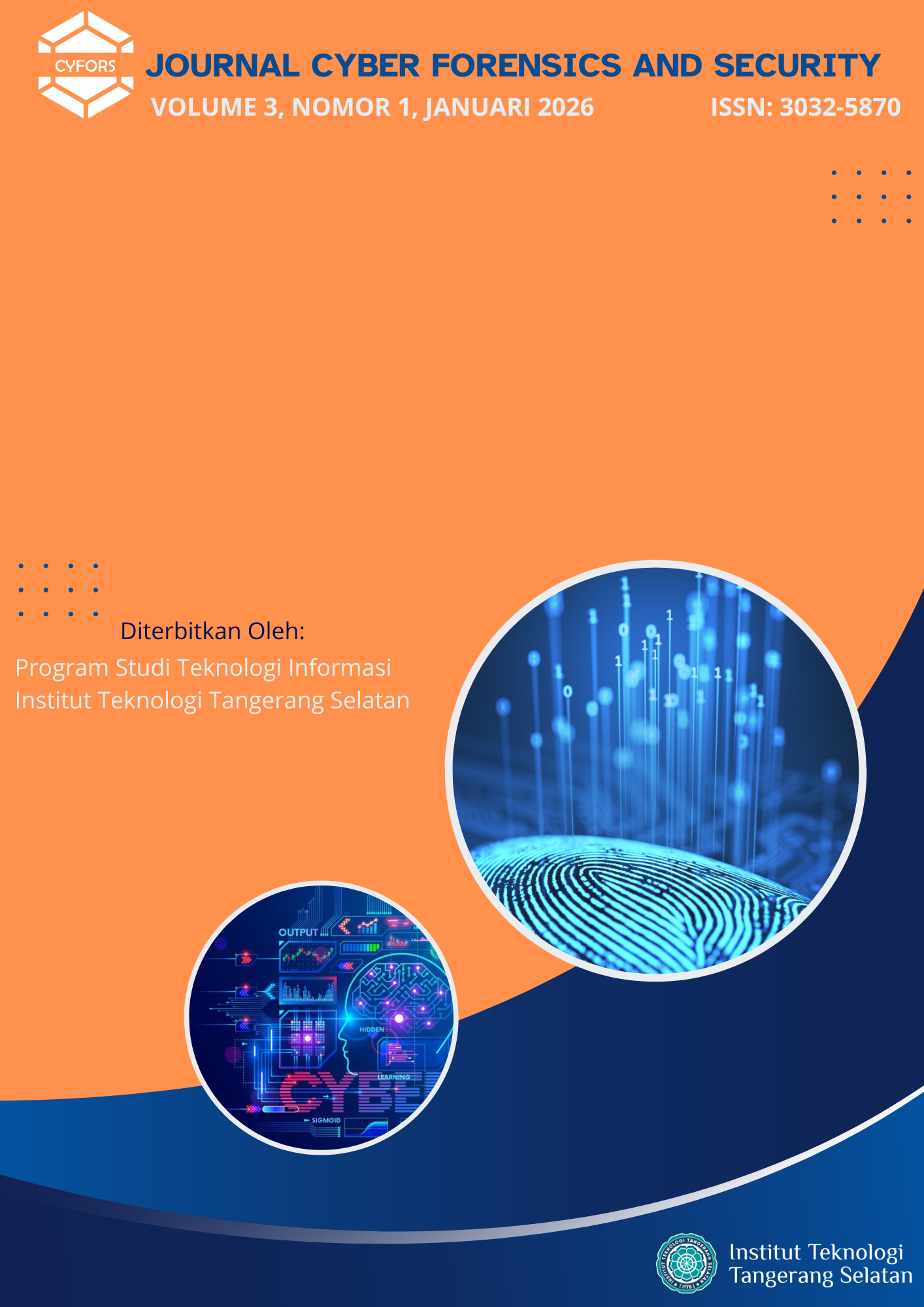
The third volume, titled "Sustainable Resilience: Safeguarding Digital Sovereignty and Human-Centric Security Systems," addresses the critical intersection of long-term system endurance, data autonomy, and the human element in the cybersecurity landscape. As digital ecosystems become increasingly fragmented and subject to complex geopolitical influences, this edition shifts the focus toward establishing "Sustainable Resilience"—a framework where security measures are not only robust against immediate attacks but are also adaptable and ethically aligned with societal needs. The volume explores the vital concept of digital sovereignty, examining how organizations and nations can maintain control over their data and infrastructure in an era of globalized cloud services and decentralized networks.
Furthermore, this volume emphasizes a "Human-Centric" approach, recognizing that technology alone cannot secure a digital frontier. It delves into the psychology of cybersecurity, user-centric forensic methodologies, and the development of intuitive security systems that empower rather than hinder the human user. By bridging the gap between high-level policy, behavioral science, and technical defense, Volume 3 provides a comprehensive roadmap for building a trustworthy digital future that prioritizes both sovereign integrity and the resilience of the human-machine partnership.
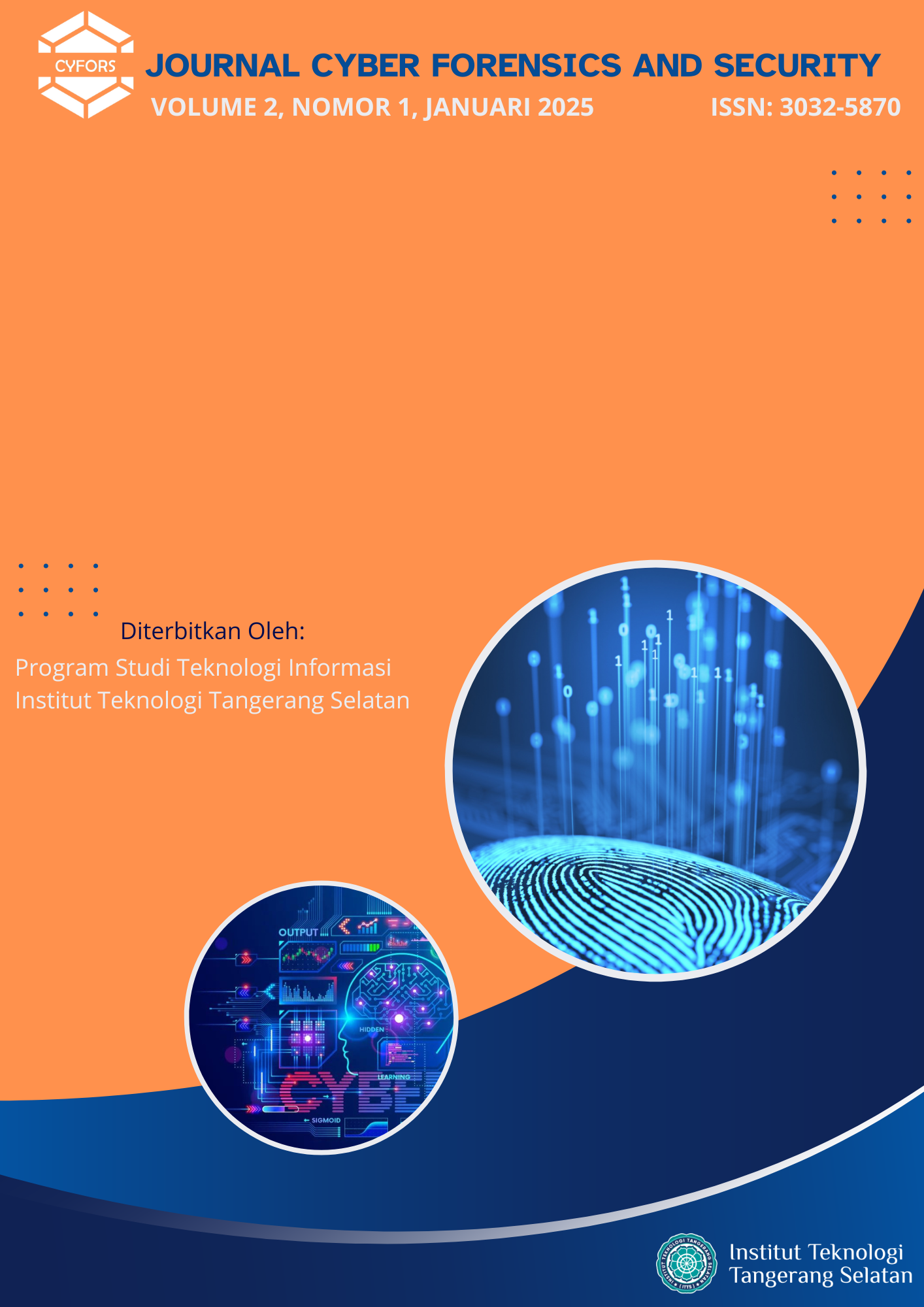
This second volume marks a strategic evolution from bridging the gap between theory and practice toward accelerating innovation through the integration of automation and artificial intelligence. Under the theme "Innovating at Scale: Driving Automation and Intelligence in the Cyber Security and Forensics Landscape," this edition highlights the urgent need for systems capable of dynamically adapting to increasingly massive and complex cyber threats. The primary focus of this volume is to explore how intelligent technologies, such as Machine Learning and Deep Learning, can be implemented to fortify proactive defenses and expedite digital investigation processes without compromising the integrity of evidence.
Beyond technical advancements, this volume delves into the challenges of scalability within modern infrastructures, such as cloud computing and IoT ecosystems, where conventional investigative methods are reaching their operational limits. We present a collection of research that not only offers operational efficiency through automation but also dissects the ethical and legal implications of utilizing algorithms within forensic science. By unifying perspectives from both academia and industry practitioners, Volume 2 aims to formulate new standards for creating a resilient and intelligent digital ecosystem prepared to meet the global security challenges of the future.
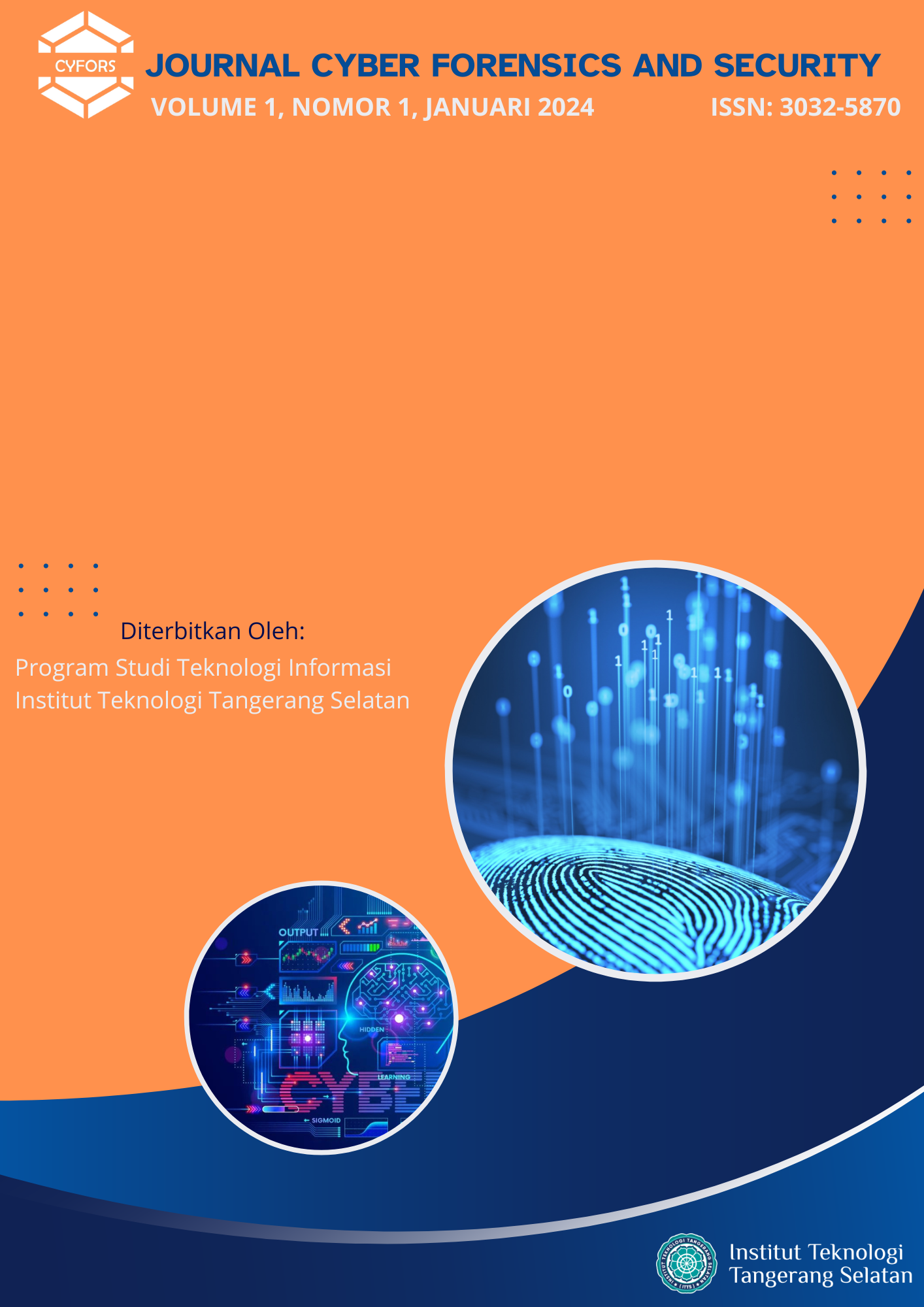
Journal of Cyber Forensics and Security (CYFORS) aims to advance and promote data science methods, computing, and applications in all scientific fields where knowledge and insights are to be extracted from data. The journal publishes research works on the full spectrum of data science including statistics, computer science, and domain applications. The topics can be about any aspect of the life cycle (collecting, processing, analyzing, communicating, etc.) of science projects from any field that involves understanding and making effective use of data. The emphasis is on applications, case studies, statistical methods, computational tools, and reviews of data science for innovation system
TEMPLATE

RECOMMENDED TOOLS
VISITORS